Tire Size Gearing Change and Transmission Effects
How a tire size change alters effective gear ratio, engine RPM, speedometer reading and shift points, and what it means for the transmission.
Contents
- How tire diameter sets effective gearing
- Working out the gear ratio change
- Transmission effects and shift behavior
- Tire size gearing questions answered
- Does changing tire size affect the transmission?
- Does tire size change gear ratio?
- What are the transmission problems after a tire size change?
- How do taller tires affect gearing and acceleration?
A tire size gearing change happens because the tire's rolling diameter sets how far the vehicle travels per revolution, so a different diameter changes the effective gear ratio the drivetrain actually sees. This page explains tire size and gearing in plain terms, shows how to work out the gear ratio change, and covers the transmission effects, speedometer error and recalibration that follow.
How tire diameter sets effective gearing
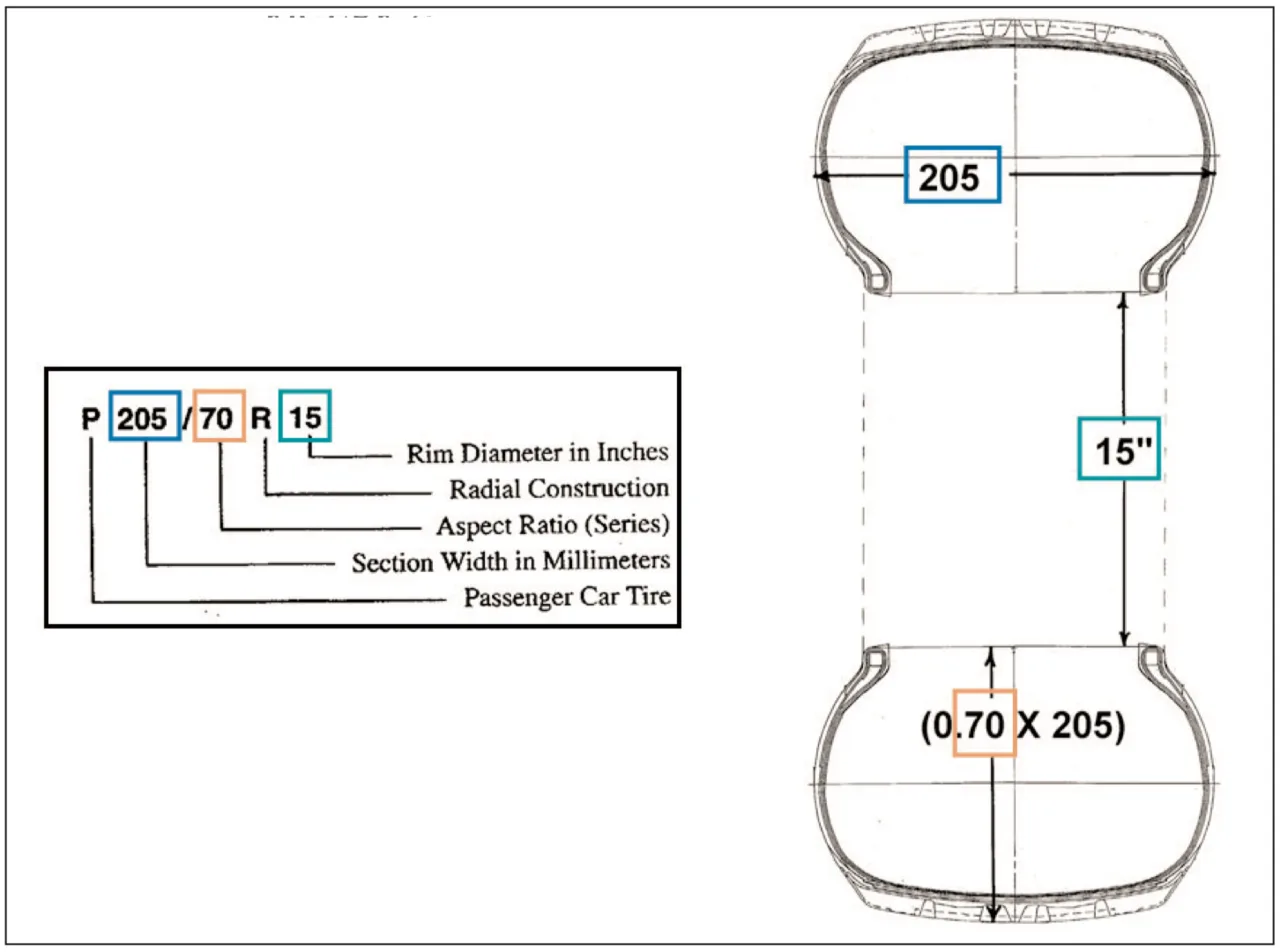
Tire diameter and gearing are linked through the rolling circumference of the wheel and tire assembly. A taller tire covers more ground per revolution, which lowers the effective gear ratio and lets the engine turn slower for the same road speed. A shorter tire does the opposite, raising the effective gear ratio and asking the engine for more RPM. Overall gearing is the product of transmission gearing and final drive ratio, then adjusted by that rolling radius.
Working out the gear ratio change
A tire size gear change calculator compares the old and new tire diameter to show the shift in effective gear ratio. Divide the new rolling diameter by the old one to get the factor that scales your gearing. Multiply the original final drive ratio by that factor to see the ratio the vehicle now behaves like. The same factor predicts engine RPM at cruising speed before and after the swap.
Transmission effects and shift behavior
Changing tire size affects the transmission mainly through load and shift points rather than internal damage. A taller tire raises the torque needed to move the vehicle, which can make the transmission work harder and hold gears longer. Shift points move because the transmission reads road speed from the output shaft, and a corrected or uncorrected speed signal changes when it shifts. Heavy towing or steep grades with a large diameter change can raise transmission overheating risk, so a trained specialist should check the setup.
Tire size gearing questions answered
Does changing tire size affect the transmission?
Yes, changing tire size affects the transmission by altering the effective gear ratio and the load it carries. A larger rolling diameter makes the transmission feel a taller final drive ratio, so it shifts at different road speeds. The internal gears are unchanged, but the drivetrain strain and shift points move with the tire diameter.
Does tire size change gear ratio?
Yes, tire size changes the effective gear ratio even though the gears inside the transmission and differential stay the same. The rolling diameter of the tire decides how many engine revolutions are needed per unit of road distance. Fit a taller tire and the overall gearing becomes numerically lower; fit a shorter tire and it becomes numerically higher.
What are the transmission problems after a tire size change?
Transmission problems after a tire size change come from load and speed signal mismatch rather than broken parts. A much taller tire can cause the transmission to hunt between gears, hold lower gears longer and run hotter under load. Speedometer error also distorts shift points when the control unit relies on wheel speed. Recalibration of the speedometer reading restores correct shift behavior.
How do taller tires affect gearing and acceleration?
Taller tires lower the effective gear ratio, so the engine turns fewer revolutions for each unit of distance traveled. That drop in overall gearing reduces acceleration because the engine has less torque multiplication at the wheels. Cruising engine RPM at a given road speed falls, which can help fuel economy on flat roads. The exact effect depends on the tire diameter change and the original final drive ratio.