Buying Tire Measurement Equipment: A Guide
How to choose calipers, tread depth gauges, tape measures and laser tools for tire work: what each measures, accuracy, resolution, brands to look for and buying tips.
Contents
- Start with the dimensions you need
- Calipers for tread, beads and small gaps
- Tread depth gauges and their readings
- Tape measures and large-diameter tools
- Laser and digital measuring devices
- Accuracy, resolution and range compared
- Budget tools and user-friendly options
- Where to buy and what to check
- Matching tools to load and sizing data
- Questions about tire measuring tools
- How do I choose tire measurement tools for my own checks?
- What is the best tool to measure tire diameter?
- Are low cost tire tools for seniors worth buying?
- Can I buy a digital caliper at Canadian Tire or similar stores?
- What accuracy range should tire measurement equipment have?
- Does a laser measurement tool replace a caliper for tires?
Buying tire measurement equipment starts with naming the dimensions you need to check. Calipers and tread depth gauges cover small distances like tread and sidewall details, while tape measures, large calipers and laser meters handle overall diameter and width. Match each tool's range, resolution and accuracy to the job, then decide between a local store and an online listing.
- List the measurements you need first, then buy tools that cover those dimensions.
- A digital caliper suits tread depth, bead seats and small clearances with fine resolution.
- Tape measures and large jaw calipers cover overall tire diameter and section width.
- Laser distance meters help with wheel and hub spacing but check their stated accuracy.
- A load index and load range belong to the tire sidewall data, not to a measuring tool.
Start with the dimensions you need
Tire measurement equipment should follow a short list of the dimensions your work actually needs. Write down each check, such as overall diameter, section width, tread depth or bead seat width, before you open any catalog. That list becomes your buying criteria and stops you paying for ranges you never touch.
Each dimension points to a different class of tool. Small gaps and depths fit a caliper or a tread depth gauge, while a full tire circumference needs a flexible tire tape measure. A tire measuring tool that claims every job in one body often does none of them precisely.
Group the checks by size band and by how often you repeat them. A shop checking tread depth daily needs a dedicated gauge that reads fast. A home user comparing two sets of tires can cover diameter and width with a tape measure and a straightedge.
Calipers for tread, beads and small gaps
A caliper is the tire measurement tool for short distances, and digital calipers read tread depth, bead seats and sidewall features to a fine step. The jaws close on the part, and the display shows the value, so you do not interpret a scale line. A digital caliper purchase makes sense when you record many readings.
Check the measurement range before you buy a caliper for tire work. A small pocket caliper covers tread and trim, but a deep jaw or a long extension is needed to reach across a mounted tire. Compare the jaw depth with the thickest part you expect to measure.
Resolution is the smallest change the display shows, and accuracy is how close that reading sits to the true value. A display with fine resolution can still be inaccurate if the jaws are worn. Look for a stated accuracy range on the tool or its packaging and treat an unstated figure with caution.
Tread depth gauges and their readings
A tread depth gauge measures how far the rubber sits above the groove base, and it answers a different question from overall tire size. A probe gauge pushes a pin into the groove, while a digital gauge shows the result on a screen. Both suit repeat checks across a tread pattern.
The gauge must reach the groove base without resting on the tread blocks beside it. A narrow probe slips into worn and narrow grooves, and a wide foot can bridge the groove and read short. Check the probe shape against the tread pattern you inspect.
Record readings at several points across the tread and around the tire so one low spot does not stand for the whole. A tire gauge used this way shows uneven wear, which matters more than a single number. Keep a simple log if you compare tires over time.
Tape measures and large-diameter tools
Overall tire diameter and section width need a longer reach than a caliper provides, and a flexible tape measure or a large jaw caliper covers them. A tire tape measure wraps around the tread for circumference, which you can divide to estimate diameter. A rigid tape and a straightedge measure across the face of a mounted tire.
A tire measuring tape should be wide enough not to twist and should have a clear start hook. For diameter across a wheel, two straightedges and a tape give a repeatable result without a special frame. Mark the same points each time so comparisons stay honest.
Large calipers with long jaws reach across a tire in one opening and avoid tape sag. These tools cost more and take storage space, so they suit a workshop that repeats the check. A measuring tape remains the budget route for occasional tire dimension checks.
Laser and digital measuring devices
Laser distance meters and digital measuring tapes send a beam or extend a blade and report the distance, and they suit wheel and hub spacing more than tread depth. A laser measurement tool reads to a flat surface across an open gap, so it struggles with soft or curved rubber. Use one where the reference surface is hard and square.
Choosing a digital tape measure comes down to its stated accuracy range and how the end hook is made. A loose hook adds error to every reading, and a laser needs a clean target to return a value. Test the tool on a known length before you trust it on a tire.
A laser distance meter purchase is worth it when you measure hub-to-fender gaps or spacing between wheels. These devices do not replace a caliper for small depths, and no laser reads inside a tread groove. Treat each device as a specialist and keep a caliper alongside.
Accuracy, resolution and range compared
Accuracy, resolution and range are the three figures that separate tire measuring instruments, and they pull against each other in any budget. Accuracy states how close a reading is to truth, resolution states the display step, and range states the span the tool covers. A tool with a wide range may trade away fine resolution.
Match the accuracy you need to the decision the number supports. A tread check that decides whether to keep a tire needs a finer step than a rough diameter comparison between two sets. Buying more accuracy than the job needs adds cost without adding useful information.
Read the specification sheet for each candidate and compare the figures side by side. A measurement equipment comparison table with one row per tool keeps the choice clear. Where a maker gives no accuracy figure, treat the resolution as decoration and not as a promise.
Budget tools and user-friendly options
Low cost tire tools for seniors and other users should be chosen for a clear display, a firm grip and a simple operation. A large digital readout and a body that fits the hand reduce strain during repeat checks. A tool with one button and a hold function is easier to use than a multi-mode unit.
Budget tire tools can still give useful readings when the range and resolution fit the job. An inexpensive tread depth gauge and a basic tape measure cover many tire dimension checks. Spend more only where the accuracy or range limit would spoil the result.
Calipers and tread depth gauge prices vary with jaw length, display type and stated accuracy. Set a budget against your list of checks and let the range and accuracy limits guide the spend. A cheap tool that cannot reach the part is no saving at all.
Where to buy and what to check
Measuring equipment retailers range from local tool stores to large online listings, and each channel suits a different buyer. Local tool stores let you hold the caliper and check the jaw movement before paying. Online listings widen the choice but leave the feel of the tool unknown until it arrives.
Chain hardware stores carry tape measures, basic calipers and laser meters on the shelf. Specialist tire suppliers stock tread depth gauges and tire tapes alongside other tire measurement supplies. Buying a caliper in Canada or elsewhere follows the same rule: confirm the range, the resolution and the stated accuracy.
Inspect every tool on arrival against a known length before you rely on it. A caliper that does not return to zero, or a tape with a bent hook, should go back to the seller. Ask whether the tool carries a stated accuracy figure and keep the packaging until you have checked it.
- Confirm the measurement range covers your largest and smallest check.
- Check the stated resolution and accuracy, not the display digits alone.
- Hold the tool and test the movement before you buy.
- Verify the tool reads zero or a known length on arrival.
- Keep the receipt and packaging until the first checks pass.
Matching tools to load and sizing data
Tire load measurement equipment is a separate branch, and tire load capacity and load index come from the tire sidewall markings rather than a gauge. The load index is a code for the maximum load a tire carries at a stated pressure, and the load range groups tires by construction strength. A measuring tool does not read either value.
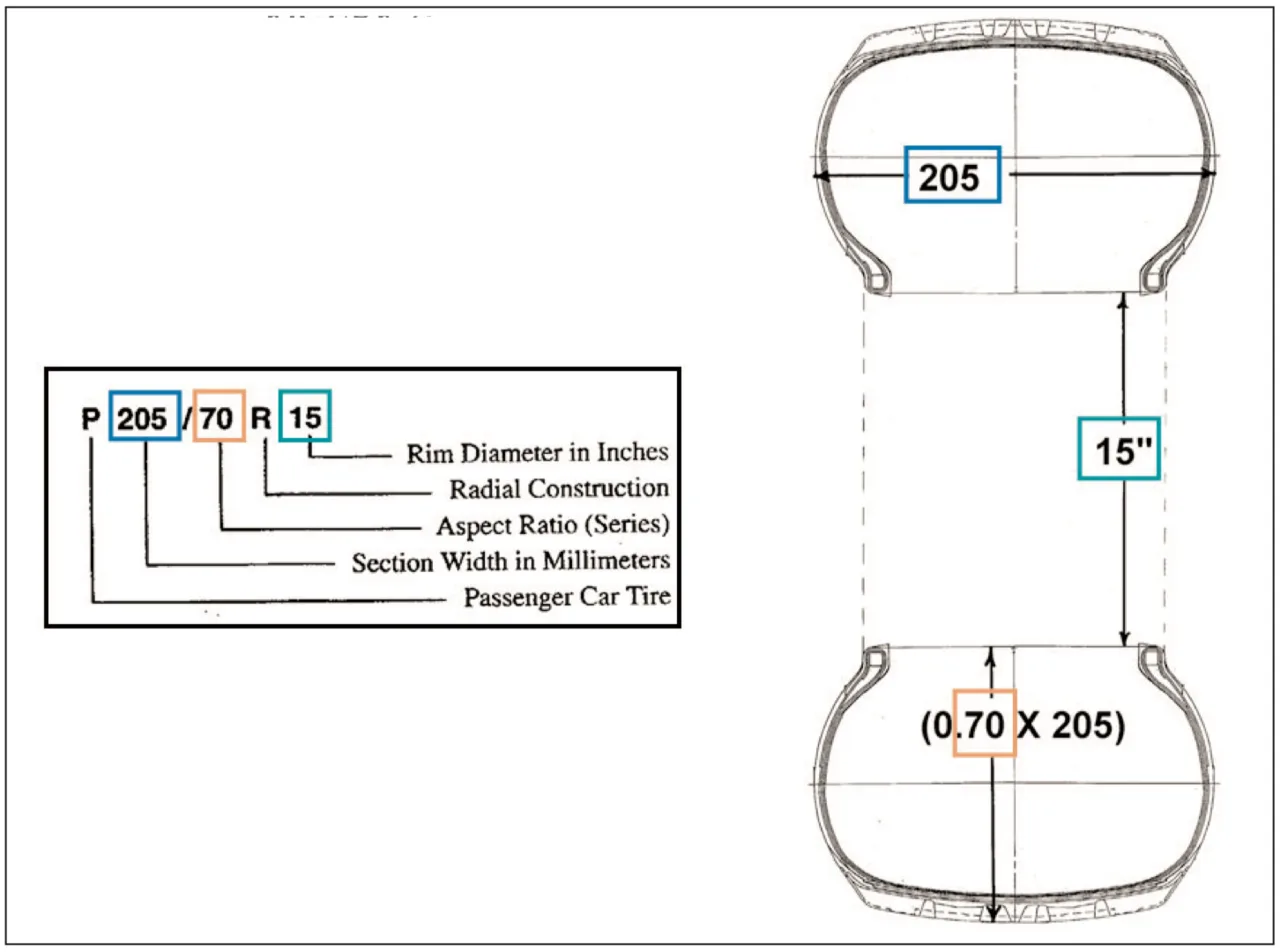
Tire sidewall dimensions, such as section width and aspect ratio, are printed data that your tools help you verify. Measure the mounted tire and compare the result with the markings to check that the tire matches its label. A mismatch points to the wrong tire or to a measurement error you should resolve first.
Weight measurement for a wheel and tire assembly needs a scale rated for the total mass, and that is a different purchase from a caliper. Keep load data, dimensional data and weight data in separate parts of your kit. Naming the data type in your buying list prevents the wrong tool from arriving.
Questions about tire measuring tools
How do I choose tire measurement tools for my own checks?
Choosing tire measuring tools starts with the list of dimensions you need to check. Pick a caliper or tread depth gauge for small depths and a tape or large caliper for diameter and width. Then compare range, resolution and accuracy for each candidate tool.
What is the best tool to measure tire diameter?
The suitable tool for tire diameter is a flexible tire tape measure wrapped around the tread, or a large jaw caliper opened across the tire. A rigid tape with two straightedges also works for a mounted tire. Diameter needs a long range, so a small caliper cannot cover it.
Are low cost tire tools for seniors worth buying?
Low cost tire tools can serve well when they have a clear display and a firm grip. A large readout and a single-button operation reduce strain. Check that the range and resolution still fit the checks you plan before you buy.
Can I buy a digital caliper at Canadian Tire or similar stores?
A digital caliper is sold through chain hardware stores, specialist tool retailers and online marketplaces, and availability changes by store. Check the measurement range, the resolution and any stated accuracy on the packaging. Hold the tool and test the jaw movement where the store allows it.
What accuracy range should tire measurement equipment have?
The accuracy range should match the decision the reading supports, so a tread check that compares wear needs a finer figure than a rough diameter comparison. Match the stated accuracy to your task and avoid paying for precision the job never uses. Treat a tool with no stated accuracy figure with caution.
Does a laser measurement tool replace a caliper for tires?
No, a laser measurement tool does not replace a caliper for tire work. A laser reads to a flat reference surface, so it suits wheel and hub spacing rather than tread grooves or bead seats. Keep a caliper for the small depths and use the laser for open gaps.