Wheel Dolly: What It Is and How to Choose One
Learn what a wheel dolly does for tire and wheel handling, how car, truck and towing versions differ, and how load capacity, platform size and casters guide a choice.
Contents
- What a wheel dolly does
- Wheel dolly types and their jobs
- Matching capacity to the wheel
- Platform size and big tire fit
- Caster wheels: pneumatic or solid rubber
- A set of four for the whole vehicle
- Buying, renting and storing a dolly
- Using a dolly without risk
- Wheel dolly questions answered
- What is a wheel dolly used for?
- Can a wheel dolly lift a car?
- How much weight should a tire dolly hold?
- Are pneumatic or solid casters better on a tire dolly?
- Where can I rent a wheel dolly?
- Does a set of four dollies move a whole car?
A wheel dolly is a low platform on casters that carries a wheel and tire so you can move it without lifting it by hand. It rolls a tire across a garage floor, holds it at hub height for mounting, or supports a vehicle wheel during towing and recovery. Choosing one comes down to the load, the tire size and the way you plan to lift.
- A wheel dolly moves and positions tires; a jack lifts the vehicle, and the two jobs are separate.
- Match the dolly's rated load capacity to the weight of the wheel and tire it will carry.
- Solid rubber casters suit smooth concrete, while pneumatic tires roll over rough ground and gravel.
- A set of four moves a whole vehicle on its wheels for storage or towing work.
- Tire size sets the platform size you need, so measure the wheel before you buy.
What a wheel dolly does
A wheel dolly is a mobile platform that holds a wheel and tire and rolls it where you need it. The platform sits on caster wheels, so a heavy tire moves with a push instead of a lift. Tire and wheel handling becomes a rolling job rather than a carrying job.
Garage work is where a wheel dolly earns its place. A tire moving dolly slides under a removed wheel and carries it to a storage rack or a workbench. A tire cart for garage use can hold several wheels in a row so they stay upright and reachable.
A wheel dolly does not raise a vehicle. Jacking and supporting the car stays with a floor jack and stands, and the dollies only handle the wheels once they are off. Keep those two roles apart when you plan a job.
Wheel dolly types and their jobs
Wheel dolly types split by the job they do rather than by brand or size. A flat platform dolly carries a wheel on its side or upright. A tire lift cart adds a lifting mechanism so the wheel rises to hub height. A vehicle dolly sits under a car's tires to move the whole vehicle.
A tire dolly for changing tires holds the wheel steady while you line up the studs. A tire lift cart reduces the bend and strain of lifting a wheel onto the hub. Garage tire storage is easier when a rolling cart moves the set from the car to the rack.
A wheel dolly jack combines a small lifting action with the rolling platform. The device raises or lowers the tire a short distance, and you still need a proper jack for the vehicle. Read the rated load of any combined tool before you trust it with a heavy wheel.
- Flat platform dolly for carrying a wheel across a shop
- Tire lift cart for raising a wheel toward the hub
- Vehicle dolly for moving a whole car on its tires
- Set of four dollies for storage or towing work
- Heavy duty steel dolly for large truck wheels
Matching capacity to the wheel
Load capacity is the first number to check on any wheel dolly for cars. Each dolly carries one wheel and tire, so compare its rating with that single assembly. A large truck tire weighs far more than a passenger car tire, and the gap decides the class of dolly.
A wheel dolly heavy duty rating means the frame and casters are built for a larger load. Heavy-duty steel construction adds stiffness, and stronger casters carry the weight without flat spots. The rating belongs to the whole dolly, so a strong frame on weak casters still limits the load.
Wheel weight depends on the tire size, the rim material and the tire construction. Weigh the assembly or use the tire and rim figures if you are unsure. Choose a dolly rated above the wheel weight, with margin for the push and the bumps of a shop floor.
Platform size and big tire fit
Platform size decides whether a tire sits safely on the dolly. A big tire moving dolly needs a deck long and wide enough that the tire does not overhang. An overhanging tire can tip when the dolly rolls over a seam or a lip.
Measure the tire diameter and section width before you compare dollies. A wide platform with a low lip holds the tire in place as it rolls. Some platforms use straps or a cradle shape to keep a tall tire upright.
A tire moving cart for a truck or tractor needs a platform built for that tire size. Small casters under a wide deck can foul the tire or jam on debris. Check that the deck clears the tire and that the casters sit outside the load footprint.
Caster wheels: pneumatic or solid rubber
Caster wheels set how a dolly rolls and where it works. Solid rubber casters roll easily on smooth concrete and need no inflation. Pneumatic casters use air tires that absorb bumps and cross gravel, grass or rough pavement.
Pneumatic vs solid rubber tires on dollies comes down to the surface. A pneumatic tire moving dolly suits a yard, a gravel lot or a rough apron. A rubber tire moving dolly with solid casters suits a clean garage floor where a soft air tire would just add maintenance.
Air tires can lose pressure and need a pump, while solid casters cannot puncture. Swivel casters let a dolly turn in a tight space, and a brake on some casters holds it still. Match the caster type and the brake to the floor you work on.
A set of four for the whole vehicle
A wheel dolly set of four supports a vehicle on its own tires, one dolly under each wheel. The set lets a car roll sideways or into a tight spot without a lift. Each dolly in the set must carry its share of the vehicle weight.
A vehicle dolly for storage keeps a project car off the floor and movable. Moving a car on four dollies needs a flat, solid surface and care at the edges. Ramps or a low lip help the tires climb onto the dollies without a lift.
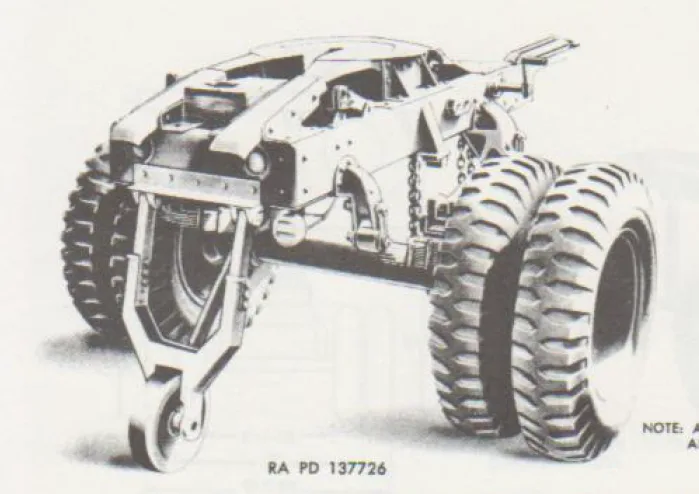
Towing and recovery work uses a different kind of wheel dolly to support a disabled vehicle's wheels. A wheel dolly for towing must be rated for the vehicle and used by a trained operator. Roadside recovery is not a job for a shop cart or a homemade rig.
Buying, renting and storing a dolly
A wheel dolly for sale comes from tool retailers, auto parts stores and online sellers. The wheel dolly Harbor Freight listings and the tire dolly Amazon pages show the same classes of product. Compare the load rating, the platform size and the caster type rather than the brand name.
A wheel dolly rental suits a one-time move such as a project car or a seasonal tire swap. Rental shops stock vehicle dollies and tire carts for short jobs. Check the rated load and the caster condition before you take a rental out.
Storing a dolly takes little room when it hangs on a wall or nests under a bench. Keep the casters clean and the deck free of oil so a tire does not slide. A tire dolly for garage use lasts longer when the wheels are checked for play and debris.
Using a dolly without risk
A wheel dolly carries a tire, and it does not make a vehicle safe to work under. Support the car on stands before any work beneath it, and never trust a dolly as a jack. A rolling dolly under a raised car can shift and drop the load.
Pushing a loaded dolly needs a clear path and a firm grip. A tall tire can tip on a narrow deck, so keep the load centered and low. A brake or a chock stops the dolly from rolling on a slope.
Towing and heavy truck work needs trained specialists and rated equipment. A shop cart is not a recovery dolly, and a passenger dolly is not a truck dolly. When a job involves a raised vehicle or a road recovery, call a trained technician.
Wheel dolly questions answered
What is a wheel dolly used for?
A wheel dolly carries a wheel and tire on casters so you can move it without lifting. It serves garage tire storage, tire changes and vehicle moves on a set of four. A wheel dolly does not lift a vehicle; a jack does that job.
Can a wheel dolly lift a car?
No, a wheel dolly does not lift a car. It rolls a wheel or a vehicle on its tires, while a floor jack and stands raise and support the car. A wheel dolly jack raises a tire a short distance but still does not replace a vehicle jack.
How much weight should a tire dolly hold?
A tire dolly should hold more than the weight of one wheel and tire assembly. The figure depends on the tire size, the rim material and the tire construction. Weigh the assembly and choose a dolly with margin above that weight.
Are pneumatic or solid casters better on a tire dolly?
Neither caster type suits every floor, so match it to the surface. Pneumatic casters roll over gravel, grass and rough pavement with less shock. Solid rubber casters roll on smooth concrete and need no inflation.
Where can I rent a wheel dolly?
A wheel dolly rental comes from tool rental shops and auto parts stores that stock vehicle dollies. Ask for the rated load and inspect the casters before the job. A rental suits a one-time move, while regular garage work favors owning a dolly.
Does a set of four dollies move a whole car?
Yes, a wheel dolly set of four supports a car on its own tires so it can roll into a tight spot. Each dolly must carry its share of the vehicle weight on a flat, solid surface. Ramps help the tires climb onto the dollies without a lift.