Markings explained
Read the markings on a tire sidewall and use them to identify its size, age and ratings.
-
 Radial and Bias-Ply Tire Markings: How to Tell Them ApartBias ply vs radial tires: how to read the construction letter in a tire size, what each design means, and where trailer and classic-car use need extra checking.
-
 UTQG treadwear, traction and temperature markingsWhat the UTQG traction grade (AA, A, B, C) means, how it is tested, what it ignores, such as snow, and how to read treadwear and temperature grades.
-
 Euro-metric and P-metric tire markings: format and replacement questionsHow to read a Euro-metric tire size in inches, how it differs from P-metric sizing, and what to check before replacing one type with the other.
-
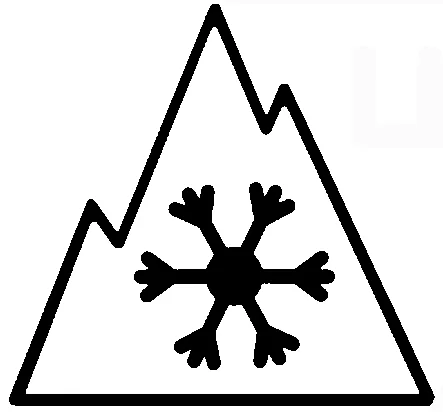 3PMSF: What the Three-Peak Mountain Snowflake Symbol MeansWhat the 3PMSF tire symbol means, how it differs from M+S, what it does not guarantee, and how to use it when choosing tires for snowy conditions.
-
 Temporary Spare Tire Markings on Ford Vehicles: How to Read ThemHow to read the markings on a Ford temporary spare tire, tell the DOT date code apart from use limits, and find the rules that apply to your vehicle.
-
 Tubeless Tire vs Tube-Type Tire: What the Sidewall Markings MeanWhat separates a tubeless tire from a tube-type tire, what the sidewall wording identifies, and what that marking does not tell you about tubes, sealant or repairs.
-
 Tire Sidewall Symbols, Dates and Approval Markings ExplainedHow to read tire sidewall markings: size code, load and speed ratings, DOT date code, UTQG grades, E-mark, LT codes, and winter symbols such as M+S and 3PMSF.
-
 Tire Load Index, Load Range and Speed Ratings ExplainedWhat the tire load index means, how it relates to load range and ply ratings, and how to read speed rating letters on a tire sidewall before choosing replacements.