Tire Sidewall Markings: A Lesson for Kids
A kid-friendly lesson on tire sidewall markings: what the tire width, aspect ratio, and rim diameter numbers mean and how to read them together.
Contents
- What the sidewall actually is
- The tire size format in order
- Tire width: the first number
- Aspect ratio: the second number
- The letter and the rim diameter
- Classroom activity: read and measure
- Teaching the words step by step
- What children should and should not do
- Tire sidewall questions for kids
- What do the numbers on a tire sidewall mean for children?
- How do you explain tire size to a child?
- What do the letters on a tire sidewall mean for children?
- Can kids learn tire sizes with a classroom activity?
- How do you teach children to measure a tire sidewall?
- Is a tire sidewall lesson safe for kids?
Tire sidewall markings are the letters and numbers printed on the rubber wall of a tire, and they describe how big the tire is. A lesson for kids can focus on one line, such as 205/55 R16, and unpack each part in order. The numbers tell the tire width, the height of the sidewall as a share of the width, and the wheel size it fits.
- The first number in a size marking is the tire width in millimeters.
- The second number is the aspect ratio, the sidewall height as a percent of the width.
- The letter R means radial, the way the inside layers are arranged.
- The last number is the rim diameter in inches, the wheel the tire fits.
- A hands-on check with a tape measure makes the lesson stick for children.
What the sidewall actually is
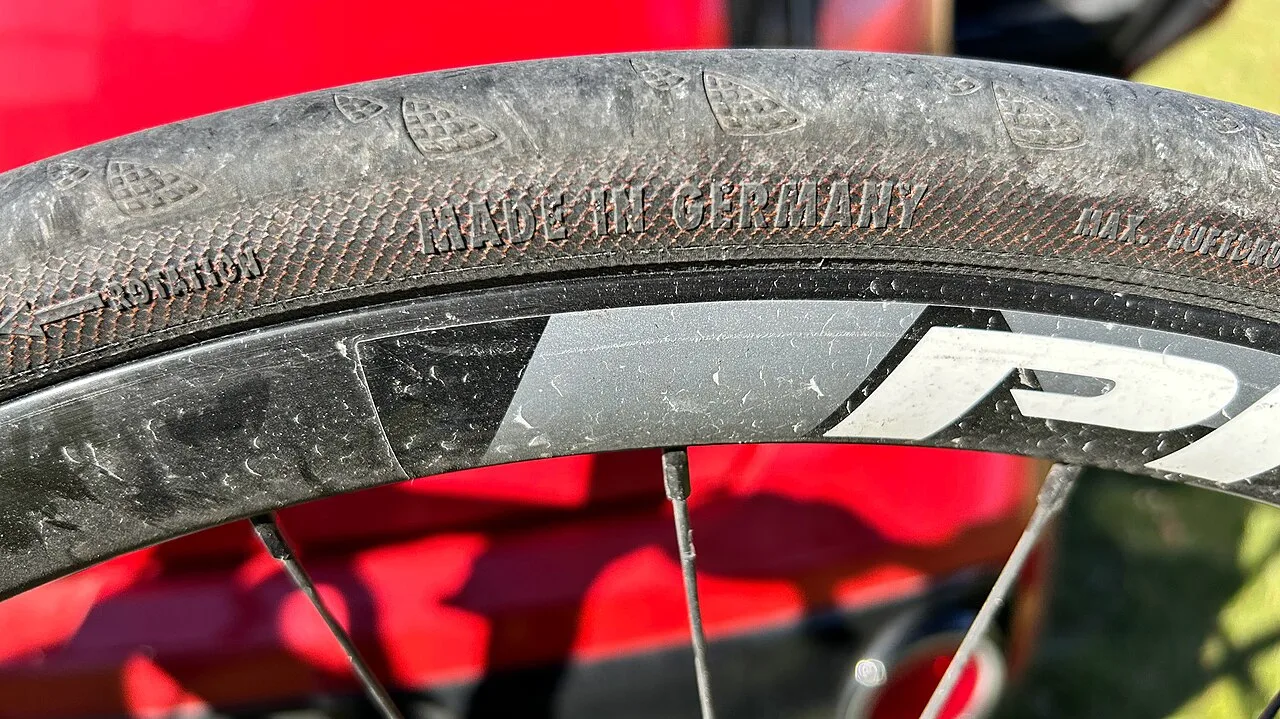
The sidewall is the rubber wall between the tread and the wheel, and it carries the markings a child can read. The tire sidewall faces outward, so the numbers sit in plain view on a parked car. Children can see the sidewall as the tire's outside skin, with the tread on top and the wheel in the middle.
A tire sidewall carries more than size, and each marking has a job. Some letters describe the tire type, and other symbols cover load and speed. A first lesson keeps to the size line so a child is not overwhelmed. Age-appropriate tire markings mean starting with the big size numbers and adding detail later.
The tread is the patterned part that touches the road, and it is separate from the sidewall. Children learning tire markings can point to the sidewall and the tread on a real tire. That simple pointing exercise builds the vocabulary before any number reading starts.
The tire size format in order
A tire size is written in a fixed format, and reading it left to right is the core of the lesson. The example 205/55 R16 shows three parts joined by a slash and a space. Tire size format stays the same across cars, so one example teaches the pattern.
The first part is tire width, and the number is in millimeters. The second part after the slash is the aspect ratio, a percentage rather than a length. The letter R follows, and the final number is the rim diameter in inches.
Children can copy the format onto paper and label each part with a color. A lesson plan that uses one real size keeps the tire size lesson for kids concrete. The same format appears on many passenger tires, so practice with one transfers to the next.
Tire width: the first number
Tire width is the first number on the size line, measured across the tread from sidewall to sidewall in millimeters. A marking of 205 means the tire is 205 millimeters wide. Children can compare that to a ruler and see it is about the length of an adult's hand.
Tire width affects how the tire sits on the road, and a wider tire covers more ground across. The width is a plain length, so it is the easiest number for a child to measure and picture. Teaching tire measurement to children can start here with a tape measure across a tire.
Width is not the same as tread depth, and children should keep the two apart. Tread depth measures how deep the grooves go, while width measures across. A clear pair of words helps a child describe what the numbers do.
Aspect ratio: the second number
The aspect ratio is the second number, written after the slash, and it sets sidewall height as a percentage of tire width. A 55 on a 205 millimeter tire means the sidewall height is 55 percent of 205 millimeters. This is the part children find trickiest, so it deserves its own step.
Aspect ratio is not a direct height in millimeters, and it only makes sense next to the width. A child can work out the sidewall height by taking the percentage of the width. Tire width and aspect ratio together describe the shape of the tire from the side.
A lower aspect ratio gives a shorter sidewall on the same width. Children can compare two tires with the same width and different aspect ratios. That comparison shows why the second number changes the look of a tire.
The letter and the rim diameter
The letter R in a size marking means radial, which describes how the tire's internal layers are arranged. Radial construction is the layout used in passenger car tires, and the letter is a construction code. Children can treat the R as a label that tells how the tire is built.
Rim diameter is the last number, and it is the size of the wheel the tire mounts on. The number is in inches, so 16 means a 16 inch wheel. Rim diameter is a fit measurement, and a tire must match the wheel exactly.
Children can measure a wheel's diameter across the rim to see inches in action. A tire size lesson for beginners pairs each number with one physical part. The letter and the rim number close out the size line in a tidy order.
Classroom activity: read and measure
A hands-on classroom activity can turn the sidewall into a measuring project with a tape and a worksheet. Students copy a tire size from a photo or a parked tire and label each part. The activity asks them to explain the width, the aspect ratio, the letter, and the rim diameter in their own words.
Measuring tread and sidewall dimensions gives children a number they can check against the marking. Students measure the tread width with a tape and compare it to the first number. They then work out the sidewall height from the aspect ratio and the width.
Educational tire dimension projects work well in small groups, with one student reading and another measuring. A teacher can supply two tire sizes and ask the groups to compare them. No tire needs to be lifted or leaned, and an adult handles any heavy or inflated tire.
Teaching the words step by step
Teaching tire size vocabulary works best in small steps, one term at a time with its matching number. Start with tire width, then aspect ratio, then rim diameter, and leave the letter for last. Each term gets a short definition and a place on the size line.
Reading the tire sidewall for kids becomes easier when every word has a picture attached. A labeled drawing of a tire with arrows to the width, sidewall, and wheel keeps the language grounded. Children can draw their own version and label it from memory.
A quiz with the parts shuffled tests whether the order is understood. Students put width, aspect ratio, letter, and rim diameter back in order. That quick check shows which term still needs practice.
What children should and should not do
Reading markings is a safe indoor lesson, but working around a real vehicle needs adult supervision. Children should never deflate, inflate, jack up, or remove a tire. A trained specialist or an adult handles any tire that is mounted or under pressure.
A parked car is fine for pointing at a sidewall when an adult is present. Traffic and moving vehicles are never part of a tire lesson for children. The lesson stays on reading and measuring, not on touching tools or lifting.
Some markings on a tire cover load and speed, and a child can note that they exist without decoding them. A sidewall carries several codes beyond size, and each needs its own lesson later. Staying with size keeps the lesson clear and safe.
Tire sidewall questions for kids
What do the numbers on a tire sidewall mean for children?
The numbers on a tire sidewall describe the tire's size in a fixed order. The first number is the tire width in millimeters, the second is the aspect ratio, and the last is the rim diameter in inches. A child can read 205/55 R16 as width, then sidewall share, then wheel size.
How do you explain tire size to a child?
Tire size is explained to a child by matching each number to a real part of the tire. Show the width across the tread, the sidewall height, and the wheel in the middle. That picture plus one written example covers the idea without extra terms.
What do the letters on a tire sidewall mean for children?
The main letter in the size line is R, and it means the tire is radial. Radial describes how the tire's inside layers are arranged, not the size. Other letters on the sidewall cover load and speed and can wait for a later lesson.
Can kids learn tire sizes with a classroom activity?
Yes, a classroom activity with a tape measure and a printed size line teaches tire sizes well. Students read the numbers, measure the tread width, and work out the sidewall height. The task stays indoors or beside a parked car with an adult present.
How do you teach children to measure a tire sidewall?
Children measure a tire sidewall by using the aspect ratio rather than a tape on the wall itself. They take the width number, apply the percentage, and get the sidewall height. A tape measures the tread width, and the rest comes from arithmetic.
Is a tire sidewall lesson safe for kids?
A tire sidewall lesson is safe when it stays on reading and measuring, with an adult nearby. Children should not inflate, deflate, jack up, or remove a tire. Any mounted or pressurized tire is left to a trained specialist.




